
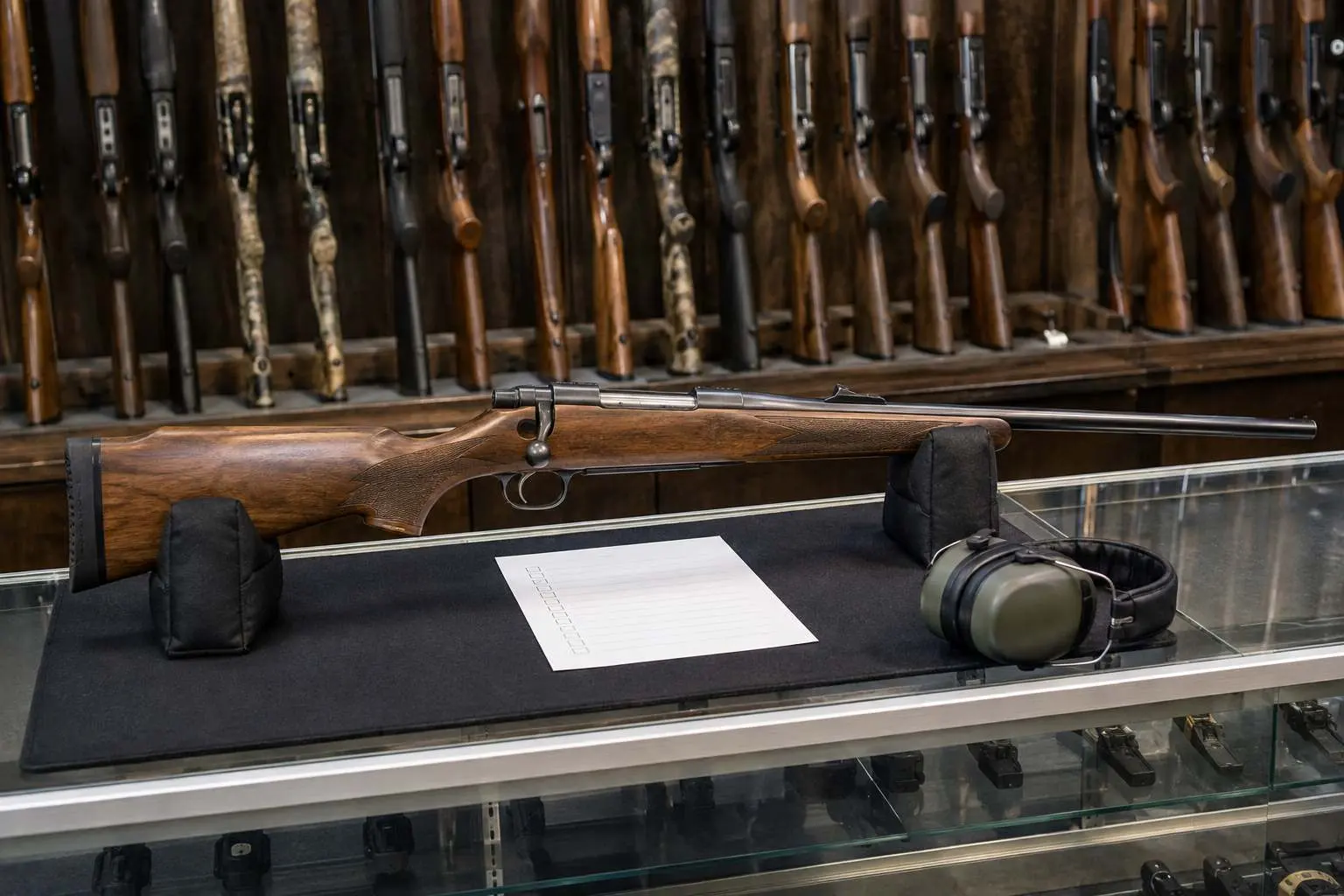
A firearm is not automatically a choice just because it is well made, popular or cheap. The key question is whether the person who owns it can store it safely learn how to use it take care of it and follow the rules in their area. A thoughtful decision takes into account fit, training, condition, storage buying legally and the warning signs that should stop a purchase until an expert can help.
Start with the purpose, not the look of the product
Write down the practical reason for buying a firearm. Home storage, supervised shooting, hunting, competition and collecting all have needs for training, equipment, storage and time. A clear purpose makes it easier to choose something that works well of following looks, reputation or a sales pitch.
Think about what you plan to do with the firearm in an average month. Will you take it to a shooting range? Will than one trained adult use it? Will it be in a home with children, visitors or someone who might get to it during a time? These answers help decide how attention to give to locked storage, transport, teaching and checking regularly.
Also be ready to explain what the purchase will not be used for. If the answer is not clear stop. Waiting is safer than buying and trying to fix a bad setup later.
Judge fit by how it feels and controls
Fit is not the same as liking the look or feel of a firearm for a seconds. The controls should be easy to understand reach without movements and use while following safe handling rules. The grip, stock or other parts should allow a comfortable hold without stretching or pain. Anyone who can't keep control during basic handling should think again about that model.
Whenever possible get instruction. Supervised chances to handle similar firearms before buying. A good range, a trained teacher or a knowledgeable seller may help compare types without making the talk about selling. Ask if the way it works how it loads, the controls and how to clean it fit your experience and physical abilities.
Much noise, hard controls, bad reach or not knowing how to unload safely are not things to fix with confidence. They are reasons to pick an one or get more training first.
Check the condition and signs of maintenance
For a firearm look at the box the labels, the papers and how it looks. For a used one ask about its past. If possible get a professional gunsmith to check it before buying. Find out if it has been changed, fixed stored in places or been in an accident that could change how it works.
Do a check safely: treat it as if it is loaded point the front in a safe direction keep your finger off the trigger and have someone who knows what they are doing check it before looking closer. Don't trust a look or what the seller says.
Get help from a professional if you see cracks, bulges, deep marks, rust near important parts, broken parts, loose pieces, strange wear or anything bent or not right. Don't fire a gun with something blocking it a part or a unclear history. Don't try to fix it yourself or change it without permission. A trained gunsmith and the maker's current advice are better than shortcuts from forums.
Make sure storage is part of the purchase
Storage is not something to think about after you buy. Before you bring the firearm home decide where it will be kept, who can get to it and how the bullets will be handled. The plan should stop people who shouldn't have access and should be easy to use every day. Follow the instructions for the storage device, including how to use keys, combinations, backup access and changes in the home.
Children, guests, roommates and people who come to work in your house can be risks. So can moving, letting someone borrow your car having visitors or dealing with a health or emotional problem. Check the plan again when the house changes. If you are not sure it is good enough ask a safety expert. Look at official advice.
Include transport in the storage plan. Use a safe way to keep the gun hidden from people who should not have it and follow the rules where you live. Laws can. May be different in different places so check the latest rules from official government websites before moving or buying.
Make sure training and range readiness are covered
Owning a gun does not mean you know how to use it. Get training with a teacher who talks about safe handling, loading and unloading storage what to do if something goes wrong and how to act on the range. The training should match the gun you want to own, not a different one that is available.
Before going to the range for the time check the rules of the place the gear needed what targets are allowed and who is watching. Bring the eye and ear protection the makers manual and only the bullets that the gun uses. Keep the manual with you of thinking that a similar-looking bullet or part works the same way on different models.
At the range stop away if the gun acts strange: it doesn't fire, makes a strange sound feels different when you shoot has strange smoke or a control feels different. Keep it pointing in a direction follow the commands from the range officer or teacher and ask for help. Don't shoot another round to try to fix a problem you don't understand.
Use this checklist before making a decision
Ask yourself:
– Can I say the reason I want this gun?
– Can I handle and control this model safely and without trouble?
– Have I set up training that matches this gun?
– Is storage ready before it comes into my house?
– Have I checked the rules for buying, carrying, storing and getting a permit through the right places?
– Do I know what the maker says about keeping it clean and what bullets to use?
– Have I seen any damage, rust, changes that don't make sense or a problem that I can't explain?
– Do I know who can check it if something goes wrong?
If any of these answers are no the decision is not ready. Safe gun ownership is not about picking the impressive one. It is about making a plan, around control buying legally storing safely taking care of it and knowing your limits. Taking time before buying is a safety step, not a sign that you are not confident.