
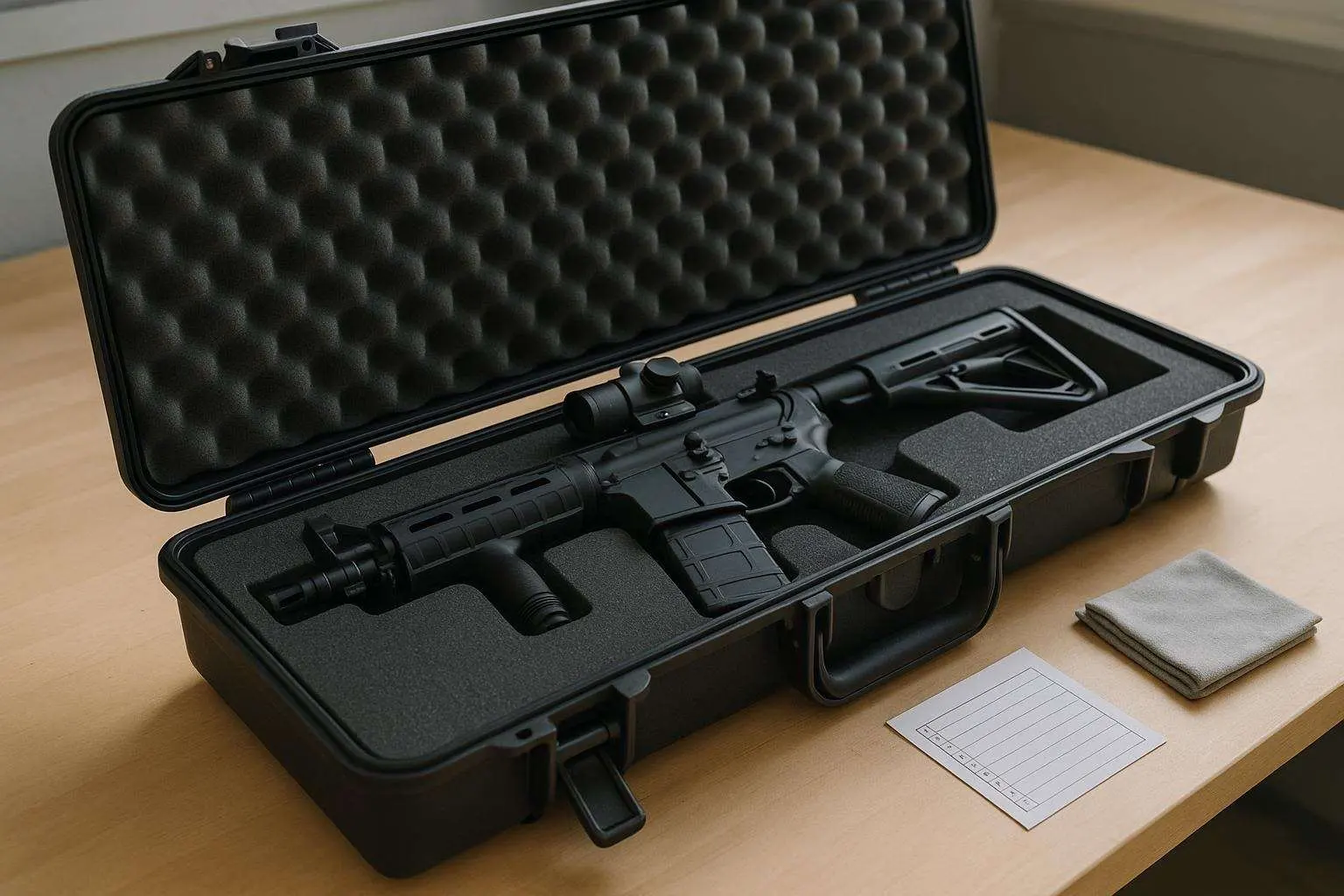
The Critical Role of Properly Fitting Firearm Cases
Transporting firearms safely requires more, than owning a case – it depends on how well the firearm fits inside and how the case is locked. Even a sturdy lockable firearm case cannot protect a firearm if the firearm is not held firmly. An fitted firearm case can cause danger because the firearm may move while traveling may accidentally. May take moisture damage if the firearm case does not seal well. Therefore paying attention to the fit, the quality of padding and how the firearm case closes is crucial for transport.
Achieving Stability in Transit
When I prepare to travel with a firearm the first step is to confirm the firearm is unloaded. I do this in an area that follows the manufacturers instructions. I also keep ammunition from the firearm, which reduces risk and follows practice. The main goal during transport is to stop the firearm from moving inside the firearm case. If I hear rattling or see sliding when I move the firearm case that shows the firearm case has failed to hold the firearm
Be cautious: even a tough looking exterior can hide support inside. If there is space inside the firearm case the firearm can. Possibly get hurt. On the hand tight foam can press on delicate parts like the trigger or sights which causes problems. The best firearm case grips the firearm firmly while still letting me remove it easily without squeezing
Regularly inspect my firearm case for signs of wear. If the padding is torn or squashed I replace it of patching it with tape or extra foam. Those makeshift fixes often let the firearm move dangerously or damage the firearm.
Selecting Suitable Padding
Universal foam inserts are convenient because they can fit firearms. They often do not give the exact support a specific firearm needs. Those generic inserts can make the firearm not sit tight which threatens stability.
I choose custom padding that matches the shape of my firearm. Good padding holds the frame and stock in place without pushing on the trigger or optics. This careful choice stops movement. Protects important parts from interference.
Consider the material of the padding well. Dense foam may seem good at first. It can trap water after getting wet which can cause rust and corrosion. After using the firearm I let both the firearm and firearm case dry completely. I follow the manufacturers instructions to keep both in shape.
Evaluating Safety Features
A lock on the firearm case works only if the lock stays tight while traveling. I inspect the hinges, latches and lock to make sure they work. If a latch only closes when I push it hard the latch might be out of line or the firearm case might be too full which gives a feeling of safety.
Remember the lock mainly keeps others from opening the firearm case. Laws about moving firearms differ a lot from one place to another. I must learn the rules for each area I travel through. I avoid taking advice from forums because it can lead to mistakes; I always look at documents for the rules.
Then there is the question of how I carry the firearm case. A shoulder strap is easy to use. It can make the firearm case visible in public and might draw attention. I prefer a way that lets me keep the firearm case close to me at all times.
Differentiating Between Transport and Storage
It is important to know that a firearm case built for travel may not have the features needed for storage. Transport firearm cases face conditions like weather changes, dust and wear. For storage I need a case or system made to keep the firearm dry and safe when it is not used.
I use cases or special compartments within the firearm case for traveling versus storage. I keep lock tools, paperwork and protective gear organized and within reach. This order makes the process simpler. Lowers the chance for errors.
Make sure to follow the rules for storing ammunition. I always keep it separate from the firearm. I also check that nothing loose such, as tools or accessories can shift and damage the firearm. Loose items can trigger the firearm accidentally. Wear it out faster.
Once at your destination immediately inspect the firearm, inside the case for any signs of moisture, dirt or movement. Resolve any problems before you use the firearm. Cases that hide what is inside can cause you to miss checks so always choose a case that lets you see the firearm clearly.
Essential Pre-Trip Checklist
To ensure safety and thoroughness before leaving with a firearm follow a checklist:
1. Confirm that the firearm is unloaded and pointed in a direction.
2. Verify that the padding in the case holds the firearm firmly without putting pressure on the firearm's delicate parts.
3. Inspect the inside of the case for signs of movement, moisture or dirt affecting the firearm.
4. Test every latch and lock on the case to make sure they work properly-do not just assume the case is secure.
5. Secure any accessories that travel with the firearm so they do not interfere with or damage the firearm.
6. Review the transport laws for every area you will pass through.
7. Keep the case under your control at all times while loading, during stops and when you arrive with the firearm.
Choosing a firearm case is more than picking an roomy option-it is about finding a case that fits the firearm snugly and follows the law. Pay attention to these points especially when you swap firearms or notice wear inside the case. Safety comes from well‑chosen decisions and careful attention, to every detail of the firearm and its case.